


Reproductive Health and Family Planning
Announcements and grant funding opportunities
The Wisconsin Department of Health Services (DHS) Reproductive Health and Family Planning (RHFP) Program supports a network of clinics across the state that provide client-centered quality RHFP services. The RHFP program coordinates care and focuses on comprehensive services by bringing together a variety of providers and referral partners, and providing standard information, training, and resources to all partners.
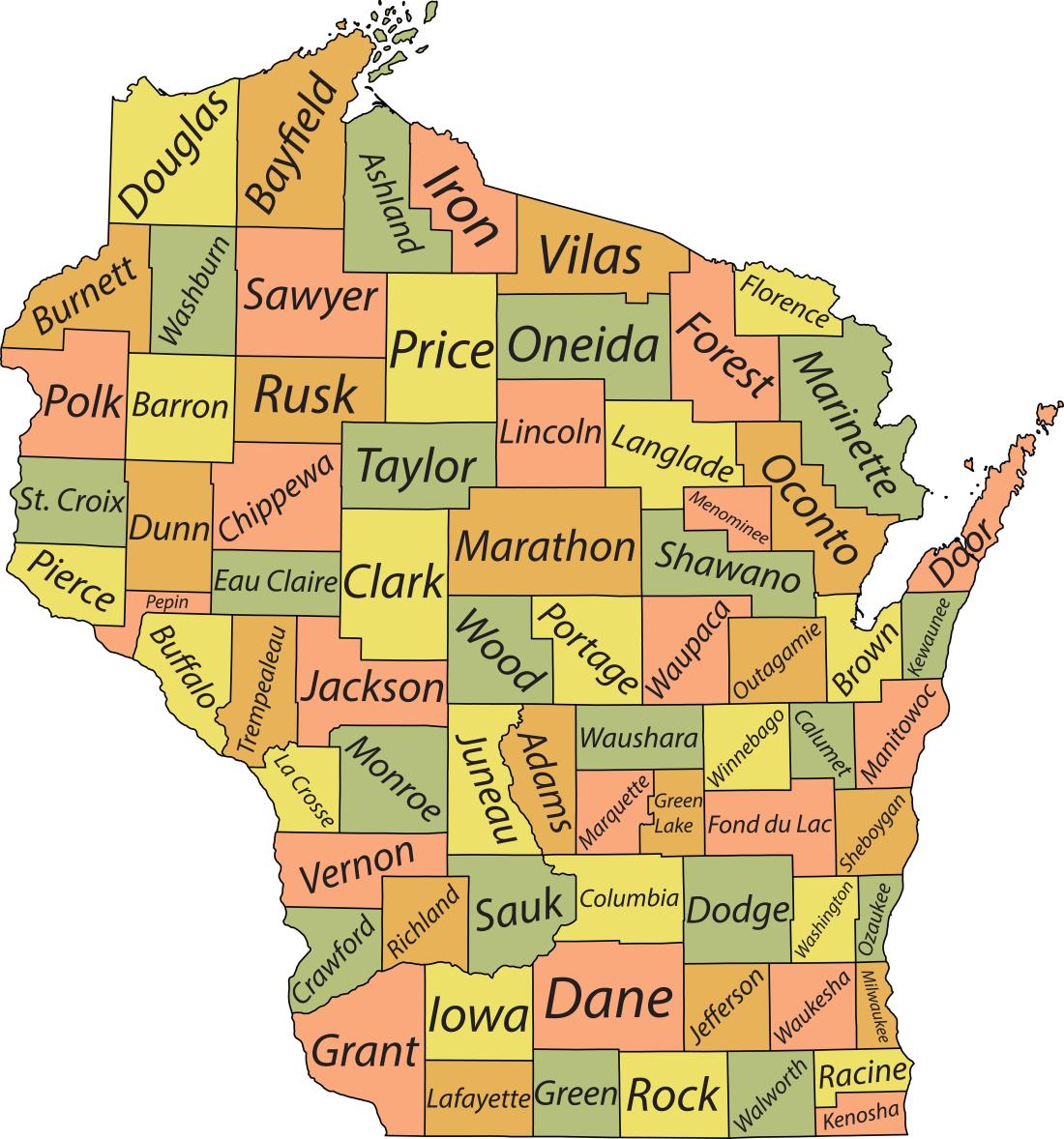
To ensure widespread RHFP service access, the purpose of this grant funding opportunity (GFO) announcement is to establish RHFP program supported clinics within this range of counites: Brown, Calumet, Door, Forest, Green Lake, Kewaunee, Manitowoc, Marinette, Menominee, Oconto, Outagamie, Shawano, Sheboygan, Vilas, Waushara, and Winnebago.
Title X Family Planning Services: Funding will specifically aid in the provision of family planning services, which includes counseling by trained personnel regarding family planning; distribution of information relating to family planning; and referral to licensed nurse practitioners within the scope of their practice, licensed physicians or local health departments for consultation, examination, medical treatment and prescriptions for the purpose of family planning.
Training for Colposcopic Examinations and Activities: Funding will specifically aid in the provision of specialized training of advanced practice providers to perform, in rural areas, colposcopic examinations and follow-up activities for the treatment of cervical cancer.
Women’s Health Block Grant, Chlamydia Outreach: Funding is to specifically aid in the provision of education, and outreach programs, in areas of high incidence of the disease chlamydia, to locate, educate, and treat individuals at high risk of contracting the disease chlamydia.
Women’s Health Block Grant, Racial Minority: Funding is to specifically aid in the provision of employment of licensed registered nurses, licensed practical nurses, licensed advanced practice registered nurses, or licensed physician assistants who are members of a racial minority.
Women’s Health Block Grant, General: Funding is to specifically aid in the provision of family planning services, which includes counseling by trained personnel regarding family planning; distribution of information relating to family planning; and referral to licensed nurse practitioners within the scope of their practice, licensed physicians or local health departments for consultation, examination, medical treatment and prescriptions for the purpose of family planning.
Review the funding opportunities and apply by May 8, 2026. Be sure to follow the instructions to access the application and application materials.
Email DHSRHFP@dhs.wisconsin.gov funding related questions by April 24, 2026. FAQs will be posted here as they are answered.
RHFP program
The Wisconsin Reproductive Health and Family Planning (RHFP) program supports clinics across the state of Wisconsin. RHFP helps clinics provide:
- Family planning services.
- Reproductive health services.
- Sexual health services.
The program makes sure that these services are available for all who need them in the state.
If you have questions about access to abortion services, call 414-289-3002 or contact your provider.
The RHFP program focuses on:
- Comprehensive services—We bring together different providers to create a network of clinics and referral partners. This means clients have access to a full range of service options.
- Coordinated care—We organize a network of high-quality family planning and reproductive health care services across the state. We do this by providing standard information, training, and resources to all partners.
News and updates
- Title X Family Planning Program video from the HHS Office of Population Affairs: We want to share a video recently released that offers an overview of how Title X provides reproductive health care to millions of people across the country and in territories and freely associated states.
- Over-the-counter oral contraception, P-03564 (PDF): As of January 24, 2024, members of BadgerCare Plus and most Wisconsin Medicaid programs are able to get over-the-counter oral contraception with no copay when they check out at the pharmacy with their ForwardHealth card.
- Wisconsin Department of Health encourages expedited partner therapy (PDF): Department of Health Services Reproductive Health Family Planning and Sexually Transmitted Disease units have joined forces with regional advocates to help spread the message that Expedited Partner Therapy (EPT) is not only legal in Wisconsin but is highly encouraged. EPT is the clinical practice of treating the partner(s) of patients diagnosed with a sexually transmitted infection (STI), by providing prescriptions or medications to the patient to take to their partner(s) without the health care provider first examining the partner. In Wisconsin, chlamydia, gonorrhea, and trichomoniasis are treatable under Wis. Stat. §448.035.
- FDA approves nonprescription daily oral contraceptive: The Food and Drug Administration (FDA) approved a daily, oral contraceptive pill for use without a prescription. The Opill progestin-only (norgestrel) oral contraceptive is expected to be available in stores and online in 2024. Opill is safe and effective when used as directed, reversible, and can be used by birthing people of all ages. It is not for use as an emergency contraception or as protection against sexually transmitted infections, including HIV. Expanding affordable and safe nonprescription contraceptive methods will help to reduce access barriers for birthing people, the uninsured, adolescents, and other groups. Availability of this nonprescription contraceptive is expected to reduce the number of unintended pregnancies and their associated potential risks.
Resources for people looking for clinical services

To understand your rights, view laws by state. Learn about reproductive laws currently in place in Wisconsin and other states. Information comes from the Center for Reproductive Rights.
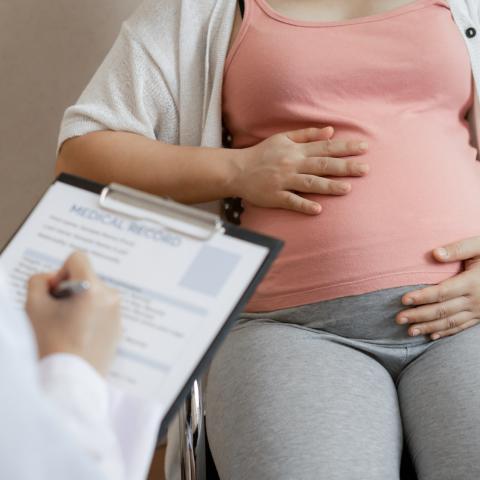
If you are pregnant, you should see a health care provider regularly. Don’t delay getting care if:
- You have life-threatening complications of pregnancy, such as:
- Ectopic pregnancy.
- Incomplete miscarriage.
- Incomplete placental delivery.
- You or someone you know tries to end a pregnancy outside of the health care system and suffers complications. Get care right away if this results in infection, prolonged bleeding, or other issues. Note that health care providers must keep what you share with them confidential.
- You have feelings of anxiety, depression, or other mental health concerns. Talk to a provider you trust or call 211 for support.
- You have thoughts of suicide or feel you are in danger. Call 911. There are also crisis lines you can contact by phone or text.
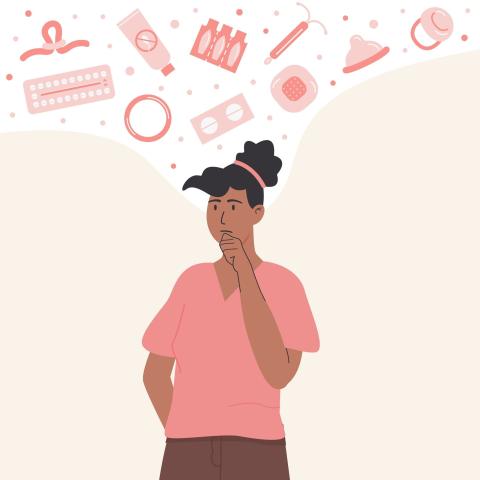
Your primary health care provider or a health clinic may be able to help with:
- Birth control.
- Emergency contraception.
- Intimate partner safety.
- Pregnancy testing and counseling.
- Preventive and primary care services.
- Referrals for follow-up or special care.
- Sexually transmitted disease screening and treatment.
If you don’t already have a provider, these resources can help:
- Title X Clinic Finder—Use the search tool to find a family planning clinic near you. Call a clinic to ask about their hours and specific services.
- Planned Parenthood—Get affordable health care.
All services through Title X are your choice and are private. You can also get them no matter your health insurance status. No one is turned away if they can’t pay. Staff work with you to make sure the services you get are covered. Some people qualify for benefits to help pay for the visit through the Family Planning Only Services Medicaid benefit.
For general questions about health care services in Wisconsin:
- Visit the Well Badger Resource Center.
- Text 608-360-9328.
- Call 800-642-7837.
Resources for public health or health care providers
Are you a public health or health care provider? Do you work in our network or are you interested in joining our network? If so, these resources may be helpful for you. Expand a section to learn more.
- Title X Service Grants—Learn about the federal Title X program. It’s administered through the Department of Health and Human Services, Office of Population Affairs.
- 2021 Title X Final Rule—Learn about the updated rule for all Title X family planning programs. The final rule went into effect on Nov. 8, 2021.
- Providing Quality Family Planning Services: Recommendation of CDC and the U.S. Office of Population Affairs (PDF)—Find clinical guidance from the CDC (Centers for Disease Control and Prevention) and the Office of Population Affairs. It’s the foundation of Wisconsin’s RHFP program services.
- Welcome to the Reproductive Health National Training Center—Access resources that ensure Title X staff have the knowledge, skills, and attitudes they need to give high-quality services and programs.
Training
- Mandatory Title X Training—These are required training videos for Title X providers and staff.
- Family Planning ForwardHealth Portal Training Webinar—This video will demonstrates how Title X providers and staff access the ForwardHealth Portal for basic navigation, claims submissions, and trainings.
Resources
- Well Badger Resource Center for Professionals & Partners—Connect to social, health, and government programs in your community.
- DHSRHFP@dhs.wisconsin.gov – Email the RHFP program for more information.
For patient referrals, Planned Parenthood of Wisconsin has a way to search for care.
For patient education materials, view:
- Abortion fact sheet from the World Health Organization
- Abortion with Septic Shock
- FAQ: Safe Abortion Care
For scientific articles on the effects and treatment of unsafe abortions, view:

As a health care provider, it’s important to take care of your own mental health. Here are some helpful strategies:
- Watch for signs of burnout and stress. Look out for anything from poor hygiene, depression, irritability, and fatigue to more serious signs. These might include constant worry, startling easily, or frequent nightmares.
- Make time to unwind. Take time every day to do things you enjoy.
- Get support from team members. Set up a buddy system for staff to share concerns, talk about stress, and watch over each other’s safety and well-being.
- Ask for help when you need it. Call the 988 Suicide & Crisis Lifeline or your county crisis line if you feel like you want to hurt yourself or others. You can also text HOPELINE to 741741.
- Find healthy ways to cope with stress. Take breaks from work, eat healthy foods, exercise, and socialize with friends and family. Do not use drugs and alcohol as a way to cope.
- Limit news and social media time. Take phone and computer breaks. Repeated reports and posts about traumatic events can be upsetting.
- Take care of your body. Eat healthy, do some type of regular movement, and get enough sleep.
Who to contact for help
Contact RHFP at DHSRHFP@dhs.wisconsin.gov or reach out to individual staff:
Jelena Debelnogich, MPH
RHFP Epidemiologist
Jelena.Debelnogich@dhs.wisconsin.gov
Ashley Dombrowicki, RN, BSN, MSN
RHFP RN Consultant
Ashley.Dombrowicki@dhs.wisconsin.gov
Chelsea Onchuck, RN, BSN
Unit Supervisor
Chelseam.Onchuck@dhs.wisconsin.gov
Sadie Wilson, MPH
RHFP Program Coordinator
Sadie.Wilson@dhs.wisconsin.gov