


Climate and Health: Winter Weather and Extreme Cold
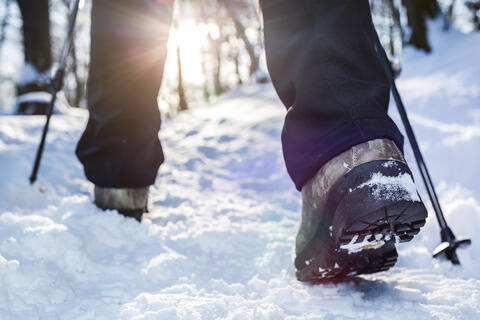
Winter in Wisconsin can be a fun time of year, but staying warm and safe during bitter cold weather or winter storms can be challenging, dangerous, and even deadly at times.
Winter storms can sweep through bringing extremely cold temperatures, high winds, mountains of snow, icy roads, power outages, and loss of phone and internet services.
To keep yourself and your loved ones safe, make a plan before winter weather hits! Get ready by winterizing your home and vehicle and gathering food and supplies.
When a winter storm is on the way, check forecasts regularly to stay on top of changing conditions. Also remember to check on older neighbors. Take safety precautions if you have to be outside during and after winter storms and extreme cold weather.
Prepare for winter weather with these safety tips and resources
Select the topic headers for more detailed winter weather health and safety information.
Make a plan
Create a communication and disaster plan for your family before a winter storm hits.
Make an emergency supply kit
Assembling an emergency supply kit for your home and vehicle in winter can save your life if a severe winter storm or extreme cold event leaves you without power or stranded in a vehicle.
- Candles and matches
- Hand-cranked, battery-operated, or solar flashlight
- Hand-cranked or battery-operated radio
- Battery-powered clock or watch
- Portable battery charger for phone
- Fully charged cell phone in case of a power outage
- Extra batteries (for flashlights, radio, hearing aids, and cochlear implants)
- Blankets or sleeping bags
- Extra clothing
- Electric space heater with automatic shut-off switch and non-glowing elements
- High-calorie, non-perishable food, such as granola bars
- Non-electric can opener
- First aid kit and instruction manual
- Multipurpose, dry-chemical fire extinguisher
Stockpile supplies
- Stock a three-day supply of non-perishable food items.
- Store one gallon of water per person for three days.
- Stock personal items like diapers, medications, etc.
- Stock a three-day supply of food and water for service animal or pets.
To stay safe and warm this winter, ensure your home is maintained and ready to weather the cold and snowy season.
Winterize your home
- Insulate any water lines that run along exterior walls so your water supply will be less likely to freeze.
- Seal cracks, caulk and weather-strip drafty doors and windows.
- Install storm windows and insulated doors.
- Install heating tape on your roof if you have problems with ice dams.
- Cover windows with plastic from the inside.
- Repair roof leaks.
- Cut away tree branches that could fall on your home or other structures during a storm.
Assemble home maintenance items
- Prepare to heat your home during a power failure:
- Dry firewood for a fireplace or wood stove
- Kerosene for a kerosene heater
- Furnace fuel (coal, propane, or oil)
- Never use a gas stove, charcoal or gas grill, or electric generator inside to heat your home as this may cause carbon monoxide poisoning.
- Prepare to use a snow shovel or snow blower and roof rake
- Secure sand for traction or a sidewalk deicer. (Calcium chloride is least harmful and has the lowest ice-melting point of -6°F.) Check with your local town or village, or provide sand to residents.
Have your chimney or flue inspected each year
If you plan to use a fireplace or wood stove for emergency heating, have your chimney or flue inspected each year. Ask your local fire department to recommend an inspector or find one online.
Schedule a furnace checkup annually
Before the heating season arrives, have your furnace system and venting checked by a qualified technician to ensure they are functioning properly. Be sure to change your furnace filters monthly.
Install smoke and carbon monoxide detectors
- Install a smoke detector and a battery-operated carbon monoxide detector. Test them monthly and replace batteries twice a year.
- If you plan to use a fireplace, outdoor wood boiler (wood stove), or kerosene heater, it's especially important to install smoke and carbon monoxide detectors near the heated area.
- Keep a multipurpose, dry-chemical fire extinguisher nearby.
- All fuel-burning equipment should be vented to the outside.
Keep an easy-to-read thermometer inside your home for older adults
If you or a loved one are over 65 years old, place an easy-to-read thermometer in a visible indoor location. Check the temperature of your home often during the winter months.
Our ability to feel a change in temperature decreases with age, so older adults are more susceptible to health problems caused by extreme cold.
Wisconsin offers many free or low-cost services and incentives to help you keep your home warm, draft-free, and energy efficient.
These programs are available to lower income homeowners and renters:
- Wisconsin weatherization and heating assistance programs.
- Focus on Energy income qualified rebates for residential heating.
Focus on Energy also provides rebates for home energy efficiency and heating equipment for all households:
If you own a vehicle, getting a service check-up before the snow falls is a good idea whenever possible. Stay off the roads when a winter storm is in the forecast and, if you must travel during a winter storm, try to plan ahead by:
- Keeping your gas tank near full to avoid ice in the tank and fuel lines.
- Maintaining high antifreeze levels and using wintertime windshield wiper fluid.
- Replacing worn tires and installing snow tires for optimal winter traction, if possible.
- Clearing snow and ice off the windshield and windows.
- Telling relatives and friends where you are going and when you expect to return. Contact them when you arrive at your destination and update them if your plans change. Make sure your contacts know your estimated arrival time, and ask them to contact the appropriate authorities on your behalf if they cannot reach you.
Before you leave, make a winter emergency kit and place it in the backseat of the vehicle in case the trunk freezes shut. The kit should include:
- Blankets/sleeping bags
- Extra warm clothing, including boots, mittens, hat, and face covering
- Flashlight with extra batteries or a hand crank flashlight (preferably with a mobile phone adapter)
- First-aid kit
- Utility knife
- Sack of sand (or cat litter) for traction
- Shovel
- Windshield scraper and brush and extra windshield wiper fluid
- Multi-purpose tool or a household tool box
- Tow rope
- Booster/jumper cables
- Drinking water
- Compass and paper road map
- Candle, tin can, matches
- Cell phone charger and extra battery pack
- Extra batteries if you have hearing aids or a cochlear implants
- High-calorie, non-perishable food (for example: granola bars) and water, including for a service animal or pet
If you are caught in your vehicle during a winter storm:
- Stay in your vehicle—it's easy to get disoriented windy, snowy, and cold conditions.
- Run the vehicle motor about 10 minutes each hour for heat only after ensuring that your exhaust pipe and radiator are not blocked by snow or other debris. Open the window a little for fresh air to avoid carbon monoxide poisoning.
- Make yourself visible to rescuers. Turn on the dome light at night when running the engine. Tie a bright colored cloth (preferably red) to your antenna or door. After the snow stops falling, raise the hood to indicate trouble.
- To keep warm and blood circulating, exercise from time to time by vigorously moving arms, legs, fingers and toes.
Stay safe during and after winter storms and cold snaps
Listen to weather forecasts regularly and check your emergency supplies, including your emergency food and water supply, whenever you are expecting a winter storm or extreme cold event. It's not always possible to predict extreme cold in advance, but weather forecasts can sometimes give you several days of notice to prepare.
When a winter storm or extreme cold warnings are issued, gather items you may need if the power goes out in your home. If you know of someone who may not be aware of weather warnings, such as a person with a hearing loss, help by sharing the information.
During a storm, you should stay inside. If you are using heat from a fireplace, wood stove or a space heater, be sure to use the appropriate fire safeguards and properly ventilate the device to avoid carbon monoxide poisoning. If you lose heat in your home, close off rooms that are not in use. Be sure to eat and drink as food provides the energy your body needs to produce its own heat. Wear layers of loose-fitting clothing and remove layers when necessary to avoid overheating, perspiration, and subsequent chill.
When spending time outdoors, dress warmly and stay dry. Protect yourself by wearing loose layers of clothing underneath a wind- and water-resistant coat to reduce loss of body heat from the wind. Do not ignore shivering—it's an important first sign that the body is losing heat. Persistent shivering is a signal to return indoors. Look for symptoms of hypothermia: shivering, exhaustion, confusion, or slurred speech. Learn more about extreme cold in the hypothermia section.
Check on neighbors and loved ones
Isolated people, older adults, and people with mobility issues, hearing loss, and other disabilities can be unaware of rapidly changing weather conditions. Check on them—as well as neighbors and loved ones—to ensure they are warm enough in their home and have needed supplies, food, and water. They may need extra help when cold temperatures become unsafe.
Bring your pets indoors
If you have pets, bring them indoors. If you cannot bring them inside, provide adequate shelter to keep them as warm as possible and make sure they have access to unfrozen water.
Check on livestock
Winter isn't only hard on you, but it's also harsh for your livestock! Learn more about planning for winter and keeping your livestock safe and healthy.
Traveling on icy or snow-covered roadways can be challenging, stressful, and hazardous. Following these simple guidelines can help you reach your destination safely.
Read more about winter road safety tips from the Wisconsin Department of Transportation.
Hypothermia (abnormally low body temperature) is a dangerous condition that can happen when a person is exposed to extremely cold temperatures. When your body is exposed to cold temperatures, your body begins to lose heat faster than it can be produced. Prolonged exposure to cold will eventually use up your body's stored energy. Body temperature that is too low affects the brain, causing unclear thinking and inhibiting body movement. This could cause a person to not know what is happening and he or she won't be able to respond normally.
Hypothermia is most likely at very cold temperatures, but can occur at temperatures above 40° F if a person becomes chilled from rain, sweat, or submersion in cold water.
Who is most at risk
Victims of hypothermia are most often:
- Older adults with inadequate food, clothing or heating.
- Babies sleeping in cold bedrooms.
- People who remain outdoors for long periods - unhoused, outdoor workers, hikers, hunters, etc.
Signs of hypothermia
- Adults and children: Shivering, exhaustion, confusion, fumbling hands, memory loss, slurred speech and drowsiness.
- Infants: bright red or cold skin, very low energy.
What to do
If you notice any of the signs mentioned above, take the person's temperature. If it's below 95° F, the situation is an emergency: Get medical attention immediately. If medical care is not available, begin warming the person, as follows:
- Get the person into a warm room or shelter.
- If the person has on any wet clothing, remove it.
- Warm the center of the body first (chest, neck, head and groin) using an electric blanket, if available. Or use skin-to-skin contact under loose, dry layers of blankets, clothing, towels, or sheets.
- Warm beverages can help increase the body temperature, but do not give alcoholic beverages. Do not try to give beverages to an unconscious person.
- After body temperature has increased, keep the person dry and wrapped in a warm blanket, including the head and neck.
- Get medical attention as soon as possible.
A person with severe hypothermia may be unconscious and may not seem to have a pulse or be breathing. In this case, handle the victim gently, and get emergency assistance immediately. Even if the person appears dead, cardiopulmonary resuscitation (CPR) should be provided. CPR should be continued while the person is being warmed, until the person responds, or medical aid becomes available. In some cases, hypothermia victims who appear to be dead can be successfully resuscitated.
How to prevent hypothermia
- Have furnaces checked annually for efficient and safe operation before the heating season arrives.
- Monitor the rooms where infants sleep or spend periods of time.
- Dress warmly, layer clothing, and stay dry.
- If doing strenuous outdoor activities, avoid wearing cotton since it takes a long time to dry and will accelerate the loss of body heat. Instead, use synthetic fabrics that wick moisture from your skin and dry quickly.
- If traveling, tell relatives or friends where you are going and when you expect to return.
- Limit the length of exposure, especially in colder temperatures and windy conditions (be mindful of wind chill)
- Do not ignore shivering, it's an important first sign that the body is losing heat. Persistent shivering is a signal to return indoors.
Winter activities like skiing, sledding, and ice skating can help encourage kids to stay moving and enjoy Wisconsin winters. But winter activities come with their own sets of risks.
Skating
Horseplay and accidental falls can result in bumps and bruises, cuts, broken bones, and head injuries. Skating on ponds, rivers, lakes and other deep bodies of water can result in drowning or near-drowning situations. Follow these guidelines for a safe skating outing:
- Skate on approved surfaces only
- Do not skate where "thin ice" signs appear
- Do not skate alone
- No horseplay
- Children under 12 years of age should wear a bicycle or multi-sport helmet
- On a crowded rink, skate in the same direction as the crowd and don't dart in and out between other skaters
- Dress appropriately and limit exposure to harsh temperatures
- Layers of clothing protect against cold and also act as padding during spills
Sledding
Common sledding injuries include cuts, bruises, broken bones, broken necks and backs, and head injuries from collisions, lost control, and falls. A typical sled can go 15-20 miles per hour and more. Sledding injuries send thousands of children to the emergency department every year.
Choose your sled hill carefully
- Choose designated sledding hills with a gentle slope, free of obstacles like trees, rocks, or fences, and long run off area far from parking, roads, or waterways
- Choose hills with packed snowy surfaces and avoid ice covered hills
- Avoid steep hills or "jumps" that send a sledder airborne (the higher they fly, the harder they fall)
Dress appropriately
- Always ride sitting and facing forward (going down head first increases the chance of head and spinal injuries)
- Tuck in arms and legs and loose clothing such as scarves and drawstrings
- Watch for wet clothing, chilling, cold exposure, and fatigue
Monitor children
- Children under 5 should have an adult on the sled with them
- Children under 12 should be supervised by an adult
- Children under 12 years of age should wear a bicycle or multi-sport helmet
Use the right equipment
- Sledding equipment should be in good repair with no sharp edges
- Use sleds or other devices that are easily controlled, preferably with runners or steering
Slips, trips, and falls are the most common winter health hazards in Wisconsin. Snow-covered or icy sidewalks can be slippery, which can cause people to fall and injure themselves. To avoid falls, follow these tips:
- Promptly remove snow and ice from sidewalks after a snowfall to keep everyone safe. Many local governments have laws requiring snow removal from sidewalks within a designated period of time after the snow has stopped falling. Some also provide free salt to improve traction on icy sidewalks.
- Wear sturdy, rubber-soled boots and wearing traction devices on the bottom of shoes and boots can help prevent slips and falls.
- Walk like a penguin to stay upright on icy surfaces.
When you do go outside after a storm to clear the sidewalks, dress appropriately:
- Wear layers of windproof and waterproof clothing.
- Wear a hat, gloves, a face covering, and boots.
- Avoid wearing cotton as it takes a long time to dry and will sap your heat. Instead, wear synthetic fabrics that wick moisture from your skin and dry quickly.
To prevent injuries while shoveling, try:
- Pushing the snow with short strokes instead of lifting it.
- Using your leg muscles and not your lower back to move the shovel.
- Take frequent breaks and adjust your exertion level if you feel tired out.
- Take steps to stay safe during extreme cold snaps to avoid frostbite and hypothermia.
Review the National Weather Service's winter weather definitions and criteria below. Remember to check the weather forecasts for the latest advisories, watches, and warnings before heading outdoors.

NWS issues cold weather advisories, extreme cold watches, and extreme cold warnings with the following location-based threshold criteria:
- Cold weather advisory—Be Aware. A Cold Weather Advisory is issued when cold air temperatures or wind chill conditions are expected or occurring. Dress appropriately and cover exposed skin when venturing outdoors.
- Western to northern region thresholds: Wind chill or temperature of -25ºF in the next 12 to 24 hours.
- Southern to Northeastern region thresholds: Wind chill or temperature of -20ºF in the next 12 to 24 hours.
- Extreme cold watch—Be Prepared. An Extreme Cold Watch is issued when dangerously cold air temperatures or wind chill conditions are possible. Adjust your plans to avoid being outside during the coldest parts of the day. Make sure your vehicle has at least half a tank of gas and your winter survival kit is fully stocked.
- Western to northern region thresholds: Wind chill or temperature of -35ºF is possible in the next 12 to 24 hours.
- Southern to Northeastern region thresholds: Wind chill or temperature of -30ºF is possible in the next 12 to 24 hours.
- Extreme cold weather warning—Take Action! An Extreme Cold Warning is issued when dangerously cold air temperatures or wind chill levels are expected or occurring. Avoid going outside. If you must go out, wear warm, protective layers of clothing, cover exposed skin, and make sure at least one other person knows your whereabouts.
- Western to northern region thresholds: Wind chill or temperature of -35ºF is imminent in the next 12 to 36 hours.
- Southern to Northeastern region thresholds: Wind chill or temperature of -30ºF is imminent in the next 12 to 36 hours.
Learn more about the NWS cold weather alerts.
Other winter weather terms
- Wind Chill Index—Wind chill is a measure of how cold people feel from the combined effects of wind and cold temperatures. The Wind Chill Index is based on the rate of heat loss from exposed skin. Both cold temperatures and wind remove heat from the body. As the wind speed increases during cold conditions, our bodies lose heat more quickly. Eventually, the internal body temperature also falls and hypothermia can develop. Animals also feel the effects of wind chill. For more information, view the National Weather Service Wind Chill Chart.
- Winter storm watch—A watch is issued when there is a potential for a winter storm to affect the region with heavy sleet, heavy snow, ice storm, heavy snow, blowing snow, or a combination of hazards over the next one to three days. It does not always mean the area will experience a winter storm, there is still some uncertainty of the exact path or timing of the event. Use this time to ensure you have supplies at home.
- Winter storm warning—A warning is issued when dangerous winter weather is expected, occurring, or imminent, and the weather can become life-threatening. Criteria includes six inches of snow or more in 12 hours, eight inches in 24 hours, or lower amounts if accompanied by strong winds or a combination of dangerous winter elements (snow, ice, sleet or blowing snow). Avoid unnecessary travel.
- Blizzard warning—A blizzard warning is issued when snow or blowing snow lowers visibility to 0.25 miles or less, wind gusts hit 35 mph or higher, and the storm lasts for three hours or more. Travel is dangerous and should be avoided if possible.
Learn more about winter weather from the National Weather Service.
- Carbon Monoxide Exposure
- Winter Safety Measures for Health Care Providers
- Wisconsin Winter Weather Toolkit, P-00652—General guidance for local and Tribal health agencies.